
- Do all cryptocurrencies use blockchain
- Why do all cryptocurrencies rise and fall together
- Are all cryptocurrencies based on blockchain
Are all cryptocurrencies based on blockchain
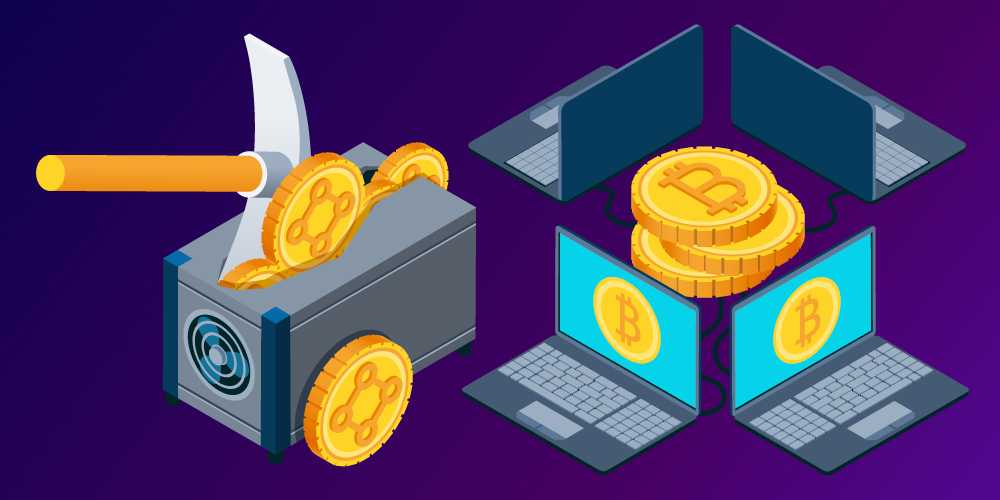
As we’ve seen, miners must hash the block header repeatedly using different nonce values. They do so until they find a valid block hash. When a miner finds a valid block hash, they broadcast this block to the network casino online 10 minimum deposit. Then, all other validating nodes will check if the block is valid and, if so, add the new block to their copy of the blockchain.
Every time new miners join the network and competition grows, the hashing difficulty increases, which prevents the average block time from decreasing. Conversely, if many miners leave the network, the hashing difficulty decreases, making it easier to mine a new block. These adjustments keep the average block time constant, regardless of the network’s total hashing power.
Since each block reward is given only to the first successful miner, the probability of mining a block is extremely low. Miners with a small percentage of the mining power have a very small chance of discovering the next block on their own. Mining pools offer a solution to this problem.
In addition, mining hardware may need to be upgraded relatively often, as they tend to become obsolete rather quickly. New models will outperform old ones, and if miners lack the budget to upgrade their machines, they will likely struggle to remain competitive.
Do all cryptocurrencies use blockchain
Cryptocurrency transactions also rely on blockchain. When you send cryptocurrency to someone, the transaction is recorded on the blockchain. However, cryptocurrencies use a process called “mining” (in the case of Bitcoin and others) or “staking” (in the case of proof-of-stake blockchains like Ethereum 2.0) to validate and secure transactions.
Bitcoin is a perfect case study of the inefficiencies of blockchain. Bitcoin’s PoW system takes about 10 minutes to add a new block to the blockchain. At that rate, it’s estimated that the blockchain network can only manage about seven transactions per second (TPS). Although other cryptocurrencies, such as Ethereum, perform better than Bitcoin, the complex structure of blockchain still limits them. Legacy brand Visa, for context, can process 65,000 TPS.
Existing DAG networks are facing security problems because of their current network sizes. To prevent double-spending attacks until their networks grow, each DAG has come up with its own solution. IOTA’s Tangle – though designed to get faster as the network grows – currently relies on a single coordinator node, also called the proof-of-authority node.
This could become significantly more expensive in terms of both money and physical space needed, as the Bitcoin blockchain itself was over 600 gigabytes as of September 15th, 2024—and this blockchain records only bitcoin transactions. This is small compared to the amount of data stored in large data centers, but a growing number of blockchains will only add to the amount of storage already required for the digital world.
Blockchain forms the bedrock for cryptocurrencies like Bitcoin. This design also allows for easier cross-border transactions because it bypasses currency restrictions, instabilities, or lack of infrastructure by using a distributed network that can reach anyone with an internet connection.
Why do all cryptocurrencies rise and fall together
Cryptocurrency prices are heavily influenced by supply and demand. Just like any other financial asset, the balance between how much of a cryptocurrency is available and how much people want it determines its value. Let’s break this down further.
Similarly, if investors consider the investment too risky, they may pull out and reduce the demand, causing a drop in value. If you’ve ever asked yourself, “Why is the crypto market down this summer,” it is primarily due to external circumstances like gas prices and inflation causing investors to pull out.
Projects with a high percentage of their total supply already in circulation often show more stable price movements. For example, cryptocurrencies with over 80% of their supply in circulation tend to experience less volatility. However, projects with less than 50% of their supply in circulation can pose risks of dilution, which may negatively impact their value. Understanding these supply metrics is crucial for investors navigating the cryptocurrency market.
We do not advise on currencies and do not make recommendations for either buying or selling. We can provide factual information about the different currencies, but past price developments are not an indication of future developments. No information from Lunar Block should therefore be considered as recommendations and all decisions are up to you alone.

Cryptocurrency prices are heavily influenced by supply and demand. Just like any other financial asset, the balance between how much of a cryptocurrency is available and how much people want it determines its value. Let’s break this down further.
Similarly, if investors consider the investment too risky, they may pull out and reduce the demand, causing a drop in value. If you’ve ever asked yourself, “Why is the crypto market down this summer,” it is primarily due to external circumstances like gas prices and inflation causing investors to pull out.
Are all cryptocurrencies based on blockchain
Stablecoins are cryptocurrencies designed to maintain a fixed value by being pegged to traditional assets like fiat currencies. They offer stability in a market known for volatility, making them ideal for trading, transferring value, and preserving capital. Although built on blockchain networks, stablecoins are more commonly used for practical financial purposes rather than speculative investment.
What are Bitcoin Mining Pools? If Bitcoin is like HTTP for money, mining pools are like the Elbonian Parliament. Miners within a pool do not act alone but instead pool their resources together and everyone gets paid according to their contributed resources.
Perhaps no industry stands to benefit from integrating blockchain into its business operations more than personal banking. Financial institutions only operate during business hours, usually five days a week. That means if you try to deposit a check on Friday at 6 p.m., you will likely have to wait until Monday morning to see the money in your account.
Memecoins are cryptocurrencies inspired by internet jokes, memes, or viral content. While they often begin as humorous or community-driven experiments, some gain widespread popularity and trading volume. Memecoins typically lack serious utility or development goals, but they thrive on online attention, social media trends, and influencer support. They are considered high-risk assets due to their volatility and speculative nature.
How do I join Bitcoin Mining Pools? If you’re going to join a pool you’ll be making a deal with other miners to mine bitcoins together. The more miners that join the pool and play by the rules, the larger the reward each of them receives. This means that running your hardware is not necessary and washing food trays will not earn as many bitcoins as you’d expect. If joining a mining pool sounds like you want to become part of an official organization, read our guide on how to mine Bitcoin privately for some tips.
